 Neumáticos MG XPower SV (2003-2008)
Medidas de neumáticos compatibles
225/40R18
Equipo original
99W
Desde 46,32 €
Ver 943 ofertas

|
Pirelli Winter SottoZero 3 Invierno RunFlat | 46,32 € | Ver oferta |

|
Star Performer Interstellar Verano | 48,02 € | Ver oferta |

|
Star Performer Solar 4S 4 Estaciones | 52,60 € | Ver oferta |

|
Star Performer Solar 4S 4 Estaciones | 52,83 € | Ver oferta |

|
Star Performer Stratos UHP Invierno | 53,17 € | Ver oferta |
225/40R18
Equipo original
99W
Desde 46,32 €
Ver 943 ofertas
|
|
Pirelli Winter SottoZero 3 Invierno RunFlat | 46,32 € | Ver oferta |
|
|
Star Performer Interstellar Verano | 48,02 € | Ver oferta |
|
|
Star Performer Solar 4S 4 Estaciones | 52,60 € | Ver oferta |
|
|
Star Performer Solar 4S 4 Estaciones | 52,83 € | Ver oferta |
|
|
Star Performer Stratos UHP Invierno | 53,17 € | Ver oferta |
225/35R19
Opción
97W
Desde 56,07 €
Ver 237 ofertas
|
|
Star Performer Solar 4S 4 Estaciones | 56,07 € | Ver oferta |
|
|
Star Performer Solar 4S 4 Estaciones XL | 56,17 € | Ver oferta |
|
|
Star Performer Solar 4S 4 Estaciones XL | 56,17 € | Ver oferta |
|
|
Star Performer Solar 4S 4 Estaciones | 56,45 € | Ver oferta |

|
Star Performer Interstellar Verano | 63,21 € | Ver oferta |
235/35R19
Opción
97W
Desde 40,04 €
Ver 531 ofertas
|
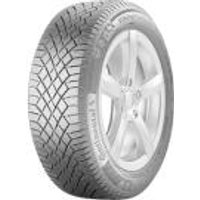
Continental Viking Contact 7 Invierno | 40,04 € | Ver oferta |
|
|
Star Performer Solar 4S 4 Estaciones | 56,73 € | Ver oferta |
|
|
Star Performer Interstellar Verano | 59,11 € | Ver oferta |
|
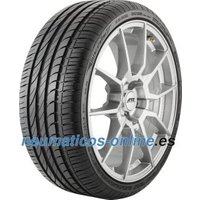
Star Performer Interstellar Verano | 59,76 € | Ver oferta |
|
|
Star Performer Solar 4S 4 Estaciones | 59,96 € | Ver oferta |
El MG XPower SV 2003-2008 puede equiparse con 4 dimensiones de neumáticos diferentes. Las medidas montadas de fábrica aparecen para orientarte. Igualmente es posible elegir opciones de sustitución según tus preferencias.
En cada uno de los formatos disponibles, mostramos los precios más bajos de nuestros vendedores asociados. Haz clic en una medida para acceder a todas las ofertas.
Al sustituir los neumáticos de tu MG XPower SV 2003-2008, sustitúyelos como mínimo de dos en dos en el mismo eje. La pareja menos desgastada debe instalarse en el eje posterior, incluso en un vehículo de tracción delantera, a fin de mantener un buen control en situaciones críticas.