 Neumáticos Renault Talisman (2012-2013)
Plataforma: L47
Medidas de neumáticos compatibles
225/50R17
Equipo original
94V
Desde 47,42 €
Ver 1227 ofertas

|
Gislaved Euro Frost 6 Invierno XL | 47,42 € | Ver oferta |

|
Continental ContiWinterContact TS Invierno | 53,58 € | Ver oferta |
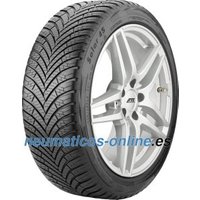
|
Star Performer Solar 4S 4 Estaciones | 54,47 € | Ver oferta |

|
Star Performer Solar 4S 4 Estaciones | 55,09 € | Ver oferta |
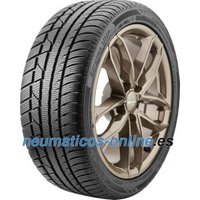
|
Star Performer Stratos UHP Invierno | 56,37 € | Ver oferta |
225/45R18
Opción
93V
Desde 40,04 €
Ver 951 ofertas

|
MICHELIN Pilot Alpin 5 Invierno | 40,04 € | Ver oferta |
|
|
Star Performer Solar 4S 4 Estaciones | 53,56 € | Ver oferta |
|
|
Star Performer Solar 4S 4 Estaciones | 54,14 € | Ver oferta |
|
|
Star Performer Solar 4S 4 Estaciones | 55,14 € | Ver oferta |

|
Star Performer Interstellar Verano | 57,05 € | Ver oferta |
225/45R18
Opción
93W
Desde 40,04 €
Ver 951 ofertas
|
|
MICHELIN Pilot Alpin 5 Invierno | 40,04 € | Ver oferta |
|
|
Star Performer Solar 4S 4 Estaciones | 53,56 € | Ver oferta |
|
|
Star Performer Solar 4S 4 Estaciones | 54,14 € | Ver oferta |
|
|
Star Performer Solar 4S 4 Estaciones | 55,14 € | Ver oferta |
|
|
Star Performer Interstellar Verano | 57,05 € | Ver oferta |
235/45R18
Opción
95W
Desde 49,25 €
Ver 753 ofertas

|
Falken AZENIS FK510 Verano XL | 49,25 € | Ver oferta |
|
|
Star Performer Solar 4S 4 Estaciones | 55,84 € | Ver oferta |

|
Falken ZIEX ZE310 ECORUN Verano | 58,39 € | Ver oferta |
|
|
Star Performer Stratos UHP Invierno | 60,37 € | Ver oferta |
|
|
Star Performer Stratos UHP Invierno | 60,83 € | Ver oferta |
Tu Renault Talisman 2012-2013 es compatible con 4 formatos de neumáticos. Las dimensiones de origen (OE) están señaladas para una compra con total confianza. También puedes optar por otras medidas compatibles adaptadas a tu estilo de conducción.
Para cada dimensión, consulta las tarifas más competitivas en tiempo real. Selecciona la dimensión deseada para comparar los neumáticos y sus precios.
Al sustituir los neumáticos de tu Renault Talisman 2012-2013, sustitúyelos como mínimo de dos en dos en el mismo eje. La pareja menos desgastada debe instalarse en el eje posterior, incluso en un vehículo de tracción delantera, a fin de mantener un buen control en situaciones críticas.